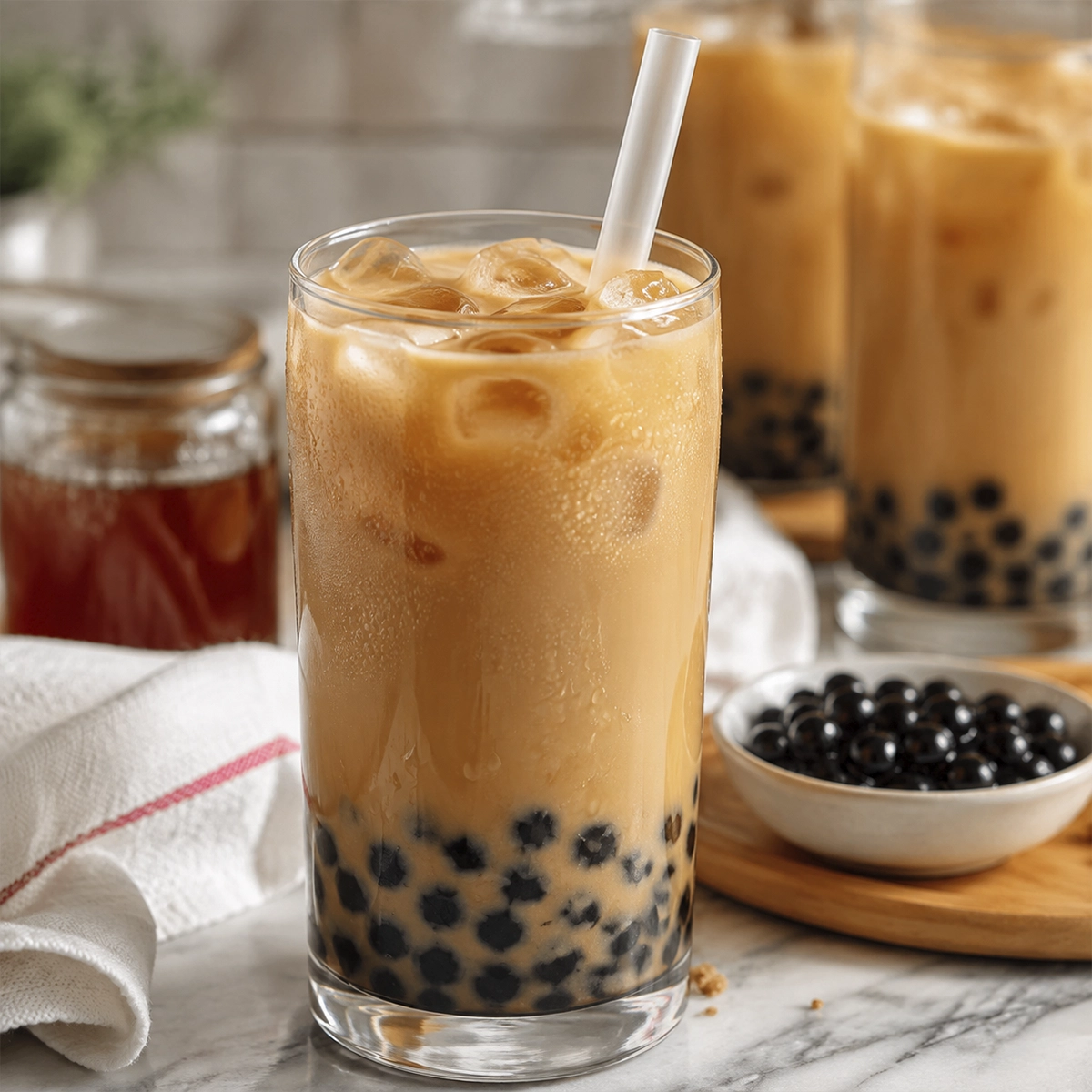
Boba tea is cold, creamy, sweet, and packed with soft, chewy tapioca pearls that make every sip a little more fun. Also known as bubble tea or boba milk tea, this Taiwanese drink has become a favorite around the world, and the good news is that you can make a seriously good version right in your own kitchen.
Homemade boba tea is surprisingly simple. You need strong tea, milk, cooked tapioca pearls, sweetener, and ice. That’s pretty much the whole operation. The trick is getting the balance right. The tea needs enough flavor to stand up to the milk, while the boba pearls should stay soft and pleasantly chewy.
Making your own bubble tea recipe also means you control the sweetness, milk, tea strength, and number of pearls in every glass. Want extra brown sugar boba? Go for it. Prefer oat milk? That works beautifully too. Once you know the basic method, there are dozens of ways to make the drink your own.
Boba Tea Ingredients You Need
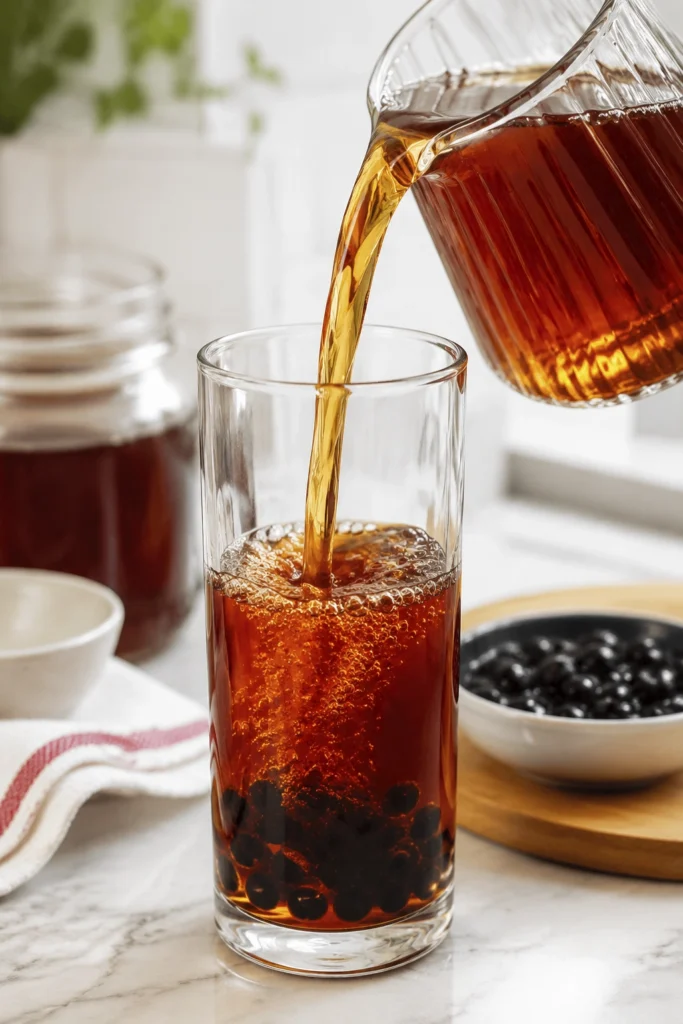
Boba tea ingredients are refreshingly simple, and you don’t need specialized equipment to make a great drink. For classic Taiwanese milk tea, you’ll need strong black tea, water, tapioca pearls, brown sugar, milk, and optional ice.
Assam tea is one of my favorite choices because its rich, malty flavor doesn’t disappear once milk enters the glass. Ceylon tea, Taiwanese black tea, Chinese black tea, and a strong English breakfast blend are also excellent options. Loose leaf tea gives you plenty of control, although ordinary tea bags work perfectly well.
For the pearls, you can use homemade tapioca pearls or packaged quick cook boba. Brown sugar makes a deep, caramel flavored syrup that pairs especially well with black milk tea. Whole milk creates a rich drink, while oat milk, soy milk, and other plant based options make dairy free boba tea easy to prepare.
Boba Tea Starts With the Right Black Tea
Boba tea needs a tea base that tastes much stronger than an ordinary cup of afternoon tea. That’s because the brewed tea will eventually meet milk, syrup, and possibly ice. If you begin with weak tea, you’ll end up with something creamy and sweet but strangely short on actual tea flavor.
Assam is particularly good for black milk tea because it has a full flavor and noticeable body. Ceylon is another dependable choice. You can also experiment with Taiwanese black tea or other robust black tea blends. Use whichever one you enjoy, but brew it strong.
If tea based recipes are your thing, Dandelion Tea is another simple drink worth trying. It’s very different from creamy bubble milk tea, but it’s a useful recipe to have when you’re in the mood for a warm homemade tea.
Boba Tea Can Be Hot Brewed or Cold Brewed
Boba tea can begin with either hot brewed or cold brewed tea. Hot brewing is the faster method. Bring about 3 cups of water to a boil, add roughly 24 grams of strong black tea, then steep for around 10 to 15 minutes. Strain it and allow it to cool completely before assembling the drink.
Your finished tea should taste unusually strong when sampled by itself. That’s intentional. Avoid boiling black tea aggressively for too long, though. More time doesn’t always mean more flavor. Excessive brewing can pull out enough tannins to make the tea unpleasantly bitter.
Cold brew tea is another good choice when you can plan ahead. Let the tea infuse in water for about 8 to 12 hours, then strain and chill it. Cold brewing tends to produce a smoother flavor. It generally requires more tea leaves, but there’s very little hands on work involved.
Boba Tea Needs Perfectly Chewy Tapioca Pearls
Boba tea wouldn’t be nearly as entertaining without those chewy tapioca pearls hiding at the bottom of the glass. Tapioca pearls, commonly called boba pearls, are made primarily from tapioca starch, which comes from cassava.
Quick cook tapioca pearls are the easiest option for a homemade boba tea recipe. Depending on the brand, some can be ready in just a few minutes. Traditional dried pearls may require considerably longer, so always follow the directions printed on your package.
The biggest mistake is cooking a giant batch hours before you plan to drink it. Freshly cooked boba has that wonderfully springy, chewy texture. Once the pearls become cold and sit around for too long, they start becoming firm. Cook only what you expect to serve and prepare them shortly before assembling your drinks.
Boba Tea Tastes Better With Brown Sugar Syrup
Boba tea and brown sugar are a pretty fantastic combination. Brown sugar syrup gives the drink a deeper sweetness with subtle caramel notes, and it also provides a flavorful place for freshly cooked tapioca pearls to rest.
Combine about ¾ cup brown sugar with ¼ cup water in a small saucepan. Warm the mixture while stirring until the sugar dissolves. Bring it to a gentle boil and cook for another 2 to 3 minutes so it thickens slightly. Add the warm cooked pearls and stir gently.
Let the brown sugar boba sit in the syrup while you prepare the glasses. The pearls absorb some sweetness while the syrup helps keep them from sticking together. White sugar syrup, honey, and maple syrup can work too, but brown sugar is hard to beat with strong black tea.
Boba Tea Is Easy to Assemble at Home
Boba tea comes together quickly once your tea is chilled and your tapioca pearls are cooked. Start by spooning about ¼ cup of warm boba pearls and some brown sugar syrup into a tall glass.
Pour in roughly ½ cup of strong chilled tea and stir. Add ice if you want an extra cold drink, then pour in approximately 1 cup of chilled milk. Stir everything together and taste before adding more syrup.
That final taste matters. Maybe you like a sweet, dessert style bubble milk tea, or maybe you want the black tea flavor to take center stage. Add more syrup or change the amount of milk until the drink tastes right to you. Serve immediately with a wide boba straw so the tapioca pearls can actually make it through. A regular straw will turn your relaxing drink into an unnecessary engineering problem.
Boba Tea Works With Dairy Free Milk
Boba tea doesn’t have to contain dairy. Oat milk is one of the best substitutes for whole milk because its creamy consistency pairs nicely with black tea. Barista style oat milk can make the drink feel particularly rich.
Soy milk is another good choice, while almond milk creates a lighter drink with a slightly nutty taste. Different plant based milks can change both the texture and flavor, so this is one place where experimenting actually pays off.
For a richer traditional style drink, whole milk works beautifully. You can also use a little evaporated milk or half and half. Sweetened condensed milk adds richness and sweetness at the same time, so reduce the brown sugar syrup when using it.
Boba Tea Can Be Made in Many Different Flavors
Boba tea is more of a starting point than a single fixed recipe. Once you understand the basic combination of tea, sweetness, milk, and toppings, you can make all kinds of bubble tea flavors at home.
Matcha boba tea replaces black tea with prepared matcha for a grassy, creamy drink. Taro milk tea brings mild sweetness and a nutty character. Strawberry bubble tea works beautifully with fresh fruit, while mango bubble tea can combine mango puree with green tea or oolong tea. Coffee boba swaps tea for coffee or combines the two if you really want a strong afternoon pick me up.
Popping boba is another option, although it’s quite different from classic tapioca pearls. These fruit flavored spheres contain liquid centers that burst when bitten. Mango, passion fruit, strawberry, and lychee versions are especially good with fruit tea, jasmine tea, green tea, and oolong.
Boba Tea Pairs Naturally With Tea Based Desserts
Boba tea isn’t the only way to turn tea into a refreshing treat. Tea works surprisingly well in chilled desserts because floral and earthy flavors can balance sweetness without making the final dish feel too heavy.
For something colorful, try this Blue Tea Gelatin. Its eye catching color makes it an especially fun companion to homemade bubble tea. If you enjoy the floral character of jasmine, Jasmine Tea Jelly is another refreshing tea based dessert worth making.
These recipes can also give you ideas for experimenting with bubble tea toppings. Tea jelly cut into small cubes can bring another texture to cold drinks when you want something besides traditional tapioca pearls.
Boba Tea Tips for the Best Flavor and Texture
Boba tea tastes best when each component is treated separately before everything meets in the glass. Start with a strong tea concentrate and chill it completely. Keep your milk cold, and don’t add a mountain of ice unless you want the drink diluted.
Cook your tapioca pearls close to serving time. Once they’re ready, transfer them into syrup while still warm. This gives them flavor and helps stop them from sticking together. Most importantly, don’t refrigerate freshly cooked pearls just because you want them cold. Their chewy texture is much better when they’re still slightly warm or around room temperature.
Taste the assembled drink before pouring in extra sweetener. The brown sugar syrup coating the pearls may already provide enough sweetness. Homemade bubble tea is all about finding the balance between bold tea, creamy milk, chewy boba, and sugar.
Boba Tea Can Be Prepared Ahead of Time
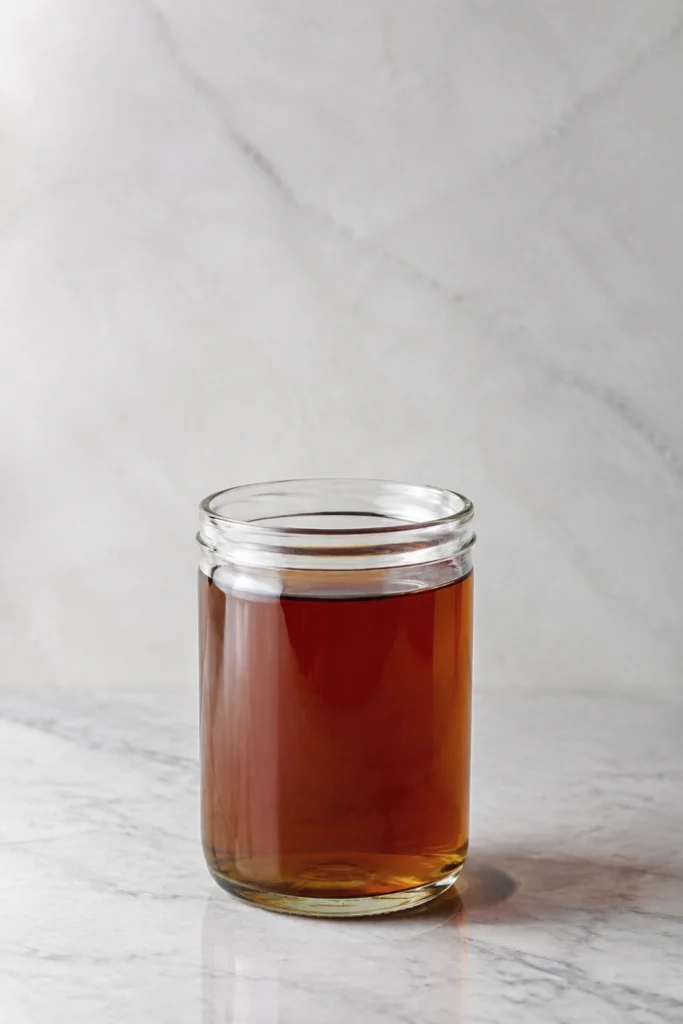
Boba tea can partly be prepared in advance, which is useful when you’re serving several people. Brew the black tea the night before, allow it to cool, and store it covered in the refrigerator. For the freshest flavor, try to use refrigerated brewed tea within about two days.
Tapioca pearls are another matter. They taste best freshly cooked, so I wouldn’t prepare them far ahead. If you do end up with leftover cooked pearls, keep them with their syrup and gently reheat them with a little water later. The warmth can soften them again, although the texture won’t always be quite as good as a fresh batch.
For parties, chill the tea and milk in advance, then cook the boba shortly before serving. Set out the tea, milk, brown sugar pearls, ice, and a few optional flavors so everyone can build their own glass.
Boba Tea Frequently Asked Questions
Boba tea and bubble tea generally refer to the same family of drinks. The word boba can also specifically describe the chewy tapioca pearls inside the beverage. You may also hear names such as boba milk tea, pearl milk tea, and bubble milk tea.
Boba tea made with black tea contains caffeine. Matcha, green tea, jasmine tea, and oolong can contain caffeine too. The exact amount varies depending on the tea and brewing method. If you want a caffeine free version, use decaffeinated tea or another caffeine free drink base.
Boba tea made simply with tea, milk, sugar, and tapioca pearls is generally gluten free. Specialty toppings, flavored powders, syrups, and packaged mixes can contain additional ingredients, so read their labels carefully when gluten needs to be avoided.
Boba tea can easily be made vegan by replacing dairy milk with plant based milk. Oat milk and soy milk are especially useful because they provide enough body for creamy milk tea. Check flavored powders, creamers, syrups, and toppings individually if you’re following a strict vegan diet.
Boba tea pearls become harder as they cool and sit for long periods. That’s why freshly cooked pearls are so much better than boba that’s been sitting in the refrigerator. Keep cooked pearls slightly warm in their syrup and serve them as soon as practical.
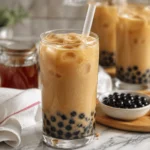
Boba Tea Recipe: Easy Homemade Bubble Tea With Chewy Tapioca Pearls
- Total Time: 35 minutes
- Yield: 4 drinks 1x
- Diet: Vegetarian
Description
Make creamy homemade boba tea with strong black tea, chewy tapioca pearls, cold milk, and rich brown sugar syrup. This easy bubble tea recipe is refreshing, customizable, and perfect for serving over ice.
Ingredients
Instructions
1. Bring 3 cups of water to a boil. Add the black tea and steep for 10 to 15 minutes until very strong.
2. Strain the tea and allow it to cool completely, then refrigerate until chilled.
3. Bring a large pot of water to a boil and cook the tapioca pearls according to the package directions.
4. Drain the cooked tapioca pearls and set them aside while you prepare the syrup.
5. Add the brown sugar and 1/4 cup water to a small saucepan. Heat over medium heat, stirring until the sugar dissolves.
6. Let the syrup gently boil for 2 to 3 minutes until slightly thickened.
7. Add the warm tapioca pearls to the brown sugar syrup and stir gently to coat them.
8. Add about 1/4 cup of brown sugar boba pearls to each serving glass.
9. Pour about 1/2 cup of chilled strong black tea into each glass and stir with the syrup.
10. Add ice if desired, then pour in about 1 cup of cold milk.
11. Stir well, taste, and add more brown sugar syrup if you prefer a sweeter boba tea. Serve immediately with a wide boba straw.
Notes
Use Assam, Ceylon, Taiwanese black tea, or another strong black tea for the best flavor.
The tea should taste stronger than a regular cup because the milk and ice will dilute it.
Cook tapioca pearls shortly before serving because they become firmer as they cool.
Keep freshly cooked boba pearls in the brown sugar syrup to add flavor and help prevent sticking.
Whole milk gives the richest texture, but oat milk, soy milk, or another plant based milk also works well.
Adjust the amount of brown sugar syrup based on how sweet you like your bubble tea.
For the best texture, serve the tapioca pearls while they are still slightly warm or at room temperature.
- Prep Time: 15 minutes
- Cook Time: 20 minutes
- Category: Drinks
- Method: Stovetop
- Cuisine: Taiwanese
Nutrition
- Serving Size: 1 drink
- Calories: 314
- Sugar: 36 g
- Sodium: 111 mg
- Fat: 8 g
- Saturated Fat: 5 g
- Unsaturated Fat: 2.3 g
- Trans Fat: 0 g
- Carbohydrates: 54 g
- Fiber: 0 g
- Protein: 8 g
- Cholesterol: 30 mg
Boba Tea Is Worth Making From Scratch
Boba tea at home gives you exactly what a good bubble milk tea should have: bold tea flavor, cold creamy milk, just enough sweetness, and plenty of soft, chewy tapioca pearls. Better still, every part of the drink can be adjusted to suit your taste.
Start with strong Assam, Ceylon, or Taiwanese black tea. Cook the tapioca pearls shortly before serving and coat them with brown sugar syrup while they’re warm. Add cold milk, taste, and change the sweetness until it’s exactly where you want it.
Once you’ve made classic homemade boba tea, try matcha, strawberry, mango, taro, coffee, or dairy free versions. You can even continue your tea experiments with Jasmine Tea Jelly, Blue Tea Gelatin, or a soothing cup of Dandelion Tea.
The basic formula is wonderfully simple: strong tea, chewy boba, creamy milk, and sweetness to taste. Get those four things right, grab a wide straw, and you’ve got a homemade boba tea recipe you’ll want to make again.
For more delicious recipe ideas, check out our Pinterest page at virlerecipes. Happy cooking!