
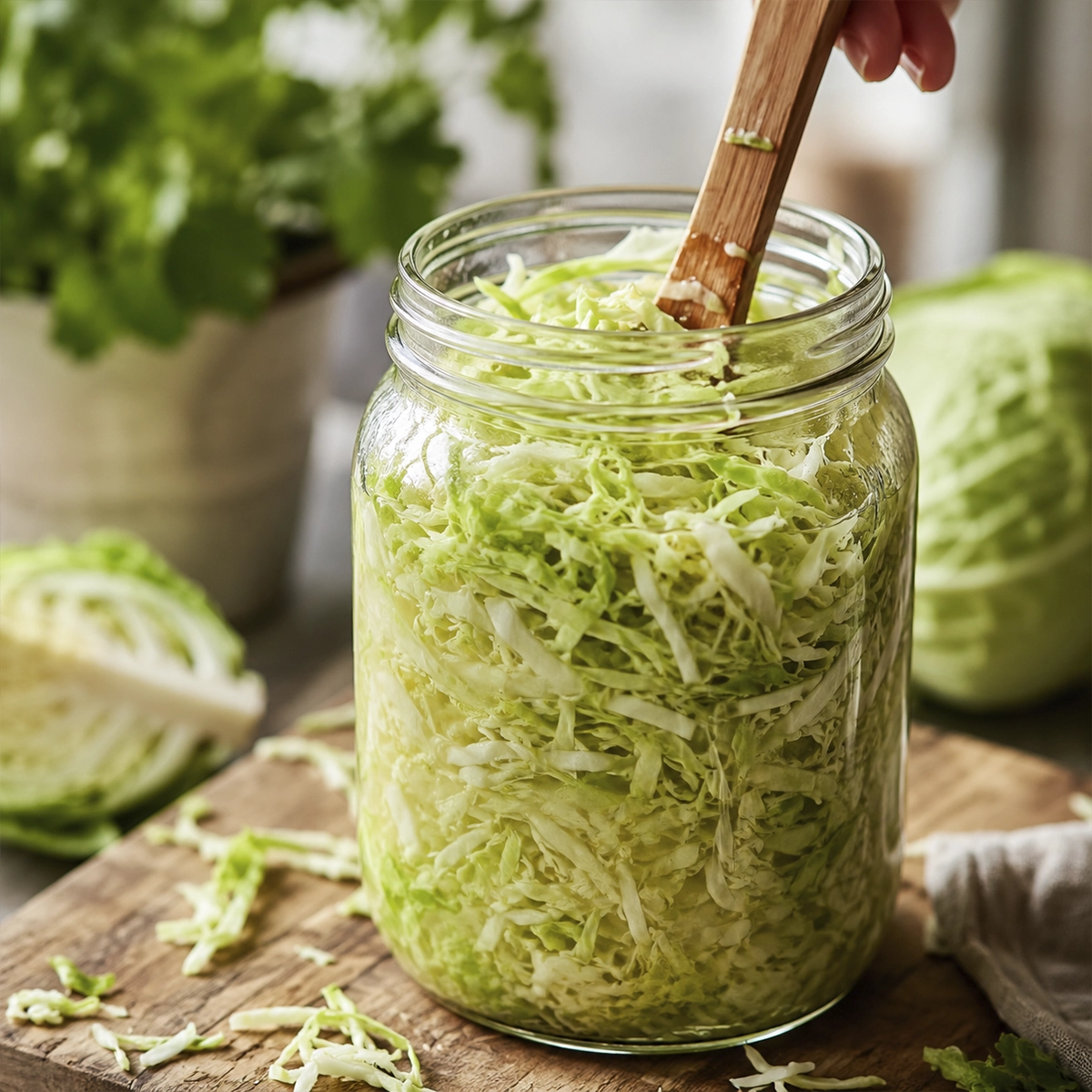
A fermented cabbage recipe is one of the easiest and most rewarding traditional food projects you can make in your own kitchen. With only two basic ingredients, cabbage and salt, you can create a tangy, crunchy, probiotic rich food that has been enjoyed for centuries across many cultures.
The beauty of homemade fermented cabbage lies in its simplicity. There are no complicated ingredients, special cooking techniques, or expensive equipment required. Nature does most of the work. Once the cabbage is salted and packed properly, beneficial bacteria begin transforming it into delicious homemade sauerkraut.
If you have never tried fermenting vegetables before, this guide will walk you through every step. By the end, you will know exactly how to make naturally fermented cabbage, how long to ferment it, how to store it, and how to avoid common beginner mistakes.
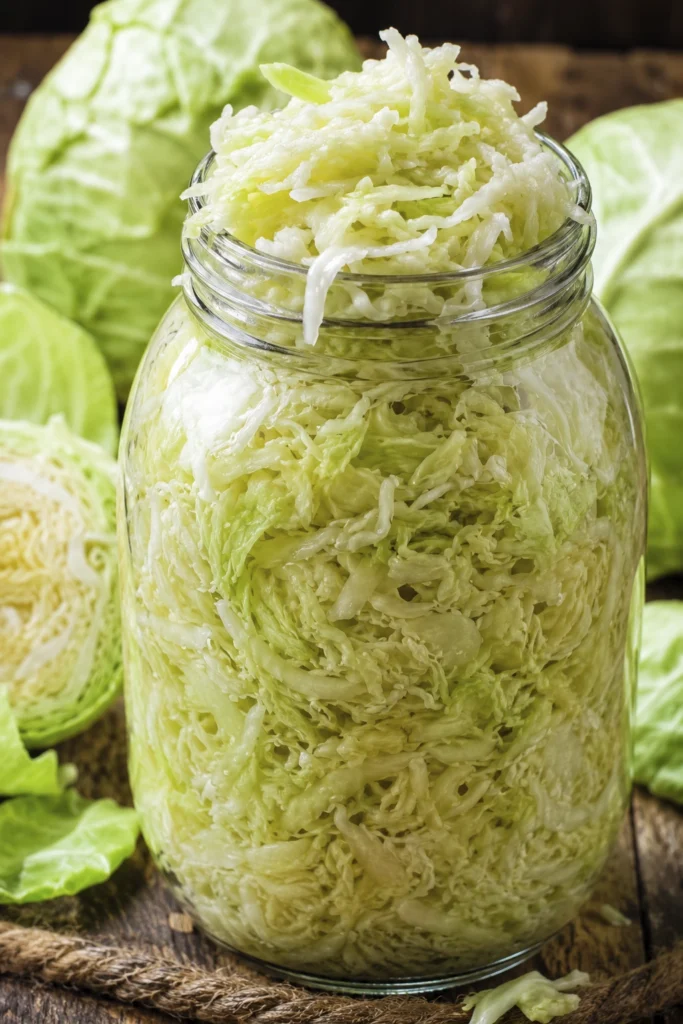
Fermented Cabbage Recipe Benefits You Should Know
A fermented cabbage recipe offers much more than a delicious side dish. People have relied on fermented vegetables for generations because they provide excellent flavor, preservation, and nutritional value.
Some of the biggest benefits include:
- Naturally occurring probiotics
- Long shelf life
- Simple ingredients
- Budget friendly preparation
- Traditional food preservation method
- Tangy and complex flavor
- Easy addition to healthy meals
Unlike many store bought products, homemade sauerkraut allows you to control every ingredient. There are no preservatives, artificial flavors, or unnecessary additives.
Many people also appreciate that fermented foods support digestive health by introducing beneficial bacteria into the diet. This makes lacto fermented cabbage a popular choice among those seeking more natural foods.
Fermented Cabbage Recipe Ingredients for the Best Results
A traditional fermented cabbage recipe requires only two ingredients.
Ingredients
- 1 large green cabbage
- 1½ tablespoons fine sea salt
Green cabbage remains the most popular option because it produces a classic sauerkraut flavor and texture. However, red cabbage can also be used if you prefer a more colorful ferment.
Optional Flavor Additions
Once you become comfortable with the basic recipe, you can experiment with:
- Caraway seeds
- Garlic
- Dill
- Juniper berries
- Black peppercorns
- Red pepper flakes
For beginners, it is best to start with plain fermented cabbage before trying additional flavors.
Fermented Cabbage Recipe Equipment Needed Before You Start
A successful fermented cabbage recipe does not require professional fermentation tools.
Most people already have everything they need at home.
Basic Equipment
- Large mixing bowl
- Sharp knife
- Cutting board
- Mason jar or fermentation crock
- Fermentation weight
- Lid or airlock system
A wide mouth mason jar works perfectly for most beginners. The most important goal is keeping the cabbage submerged beneath the brine during fermentation.
Fermented Cabbage Recipe Step by Step Instructions
This fermented cabbage recipe follows the traditional lacto fermentation method used for generations.
Step 1: Prepare the Cabbage
Remove the damaged outer leaves and set aside one or two clean leaves.
You will use these later to help keep the shredded cabbage below the brine.
Cut the cabbage into quarters and remove the core.
Thinly slice the cabbage into fine shreds.
The thinner the cabbage, the easier it becomes to release moisture and pack tightly.
Step 2: Salt the Cabbage
Place the shredded cabbage into a large bowl.
Sprinkle the sea salt evenly over the top.
Using clean hands, massage the cabbage thoroughly.
At first, the cabbage will feel firm and dry.
After several minutes of squeezing and massaging, liquid will begin to appear.
This natural liquid becomes the brine that allows the fermentation process to occur.
Continue massaging until a generous amount of liquid collects at the bottom of the bowl.
Step 3: Pack the Fermentation Jar
Transfer the salted cabbage into your jar or crock.
Press down firmly after each handful.
The goal is to remove trapped air pockets.
Pour any remaining liquid from the bowl into the container.
The cabbage should gradually become submerged beneath its own brine.
Step 4: Add a Weight
Place the reserved cabbage leaves on top.
Add a fermentation weight to hold everything below the liquid level.
Keeping the cabbage submerged is one of the most important steps in making homemade sauerkraut.
Step 5: Cover and Ferment
Cover the jar with a fermentation lid, airlock, or loosely fitted lid.
Place it in a cool location away from direct sunlight.
A temperature between 65°F and 75°F is generally ideal for natural fermentation.
Now comes the hardest part.
Waiting.
Fermented Cabbage Recipe Fermentation Timeline and What to Expect
A fermented cabbage recipe changes gradually as beneficial bacteria consume natural sugars found in the cabbage.
During the first few days, you may notice:
- Small bubbles
- Cloudy brine
- A mildly sour aroma
- Increased liquid production
These signs indicate active fermentation.
Typical Fermentation Schedule
1 Week
The cabbage develops a mild tangy flavor.
2 Weeks
The flavor becomes more balanced and noticeably sour.
3 to 4 Weeks
The sauerkraut develops deeper complexity and stronger acidity.
Taste your ferment every few days after the first week. Once it reaches your preferred flavor, it is ready for refrigeration.
Fermented Cabbage Recipe Common Mistakes and How to Avoid Them
Even a simple fermented cabbage recipe can encounter problems if certain basics are overlooked.
Not Enough Brine
The cabbage must stay submerged throughout fermentation.
If the liquid level drops, press the cabbage down firmly.
If necessary, add a small amount of saltwater brine.
Soft Texture
Soft fermented cabbage is often caused by:
- Excessively warm temperatures
- Insufficient salt
- Extended fermentation
Maintaining proper conditions helps preserve a crunchy texture.
Surface Yeast
A thin white film occasionally appears on top.
This is usually harmless yeast and can be removed carefully.
Mold Growth
Fuzzy green, black, pink, or blue mold indicates contamination.
If mold develops, discard the entire batch.
Proper submersion remains the best defense against mold.
Fermented Cabbage Recipe Health Benefits and Nutritional Value
One reason the fermented cabbage recipe remains popular today is its nutritional profile.
Fermentation creates an environment rich in beneficial bacteria.
Many people include probiotic foods in their diets to support:
- Digestive wellness
- Gut microbiome balance
- Nutrient absorption
- Overall wellness
Cabbage itself contains vitamins, minerals, and fiber, making homemade sauerkraut both nutritious and flavorful.
Because this fermented vegetable recipe is made without cooking, many of the natural nutrients remain intact throughout the process.
Fermented Cabbage Recipe Serving Ideas for Everyday Meals
A fermented cabbage recipe pairs well with countless dishes.
Its bright acidity helps balance rich foods while adding texture and flavor.
Try serving naturally fermented cabbage with:
- Roasted meats
- Grilled sausages
- Sandwiches
- Grain bowls
- Potato dishes
- Fresh salads
For a comforting traditional meal, fermented cabbage can accompany Polish Borscht Traditional Christmas, where its tangy flavor complements the rich and earthy characteristics of the soup.
If you enjoy plant based meals, a serving of homemade sauerkraut also works surprisingly well alongside Vegan Garlic Udon Noodles, adding crunch and acidity that balances the savory noodle dish beautifully.
The versatility of homemade sauerkraut makes it easy to incorporate into weekly meal planning.
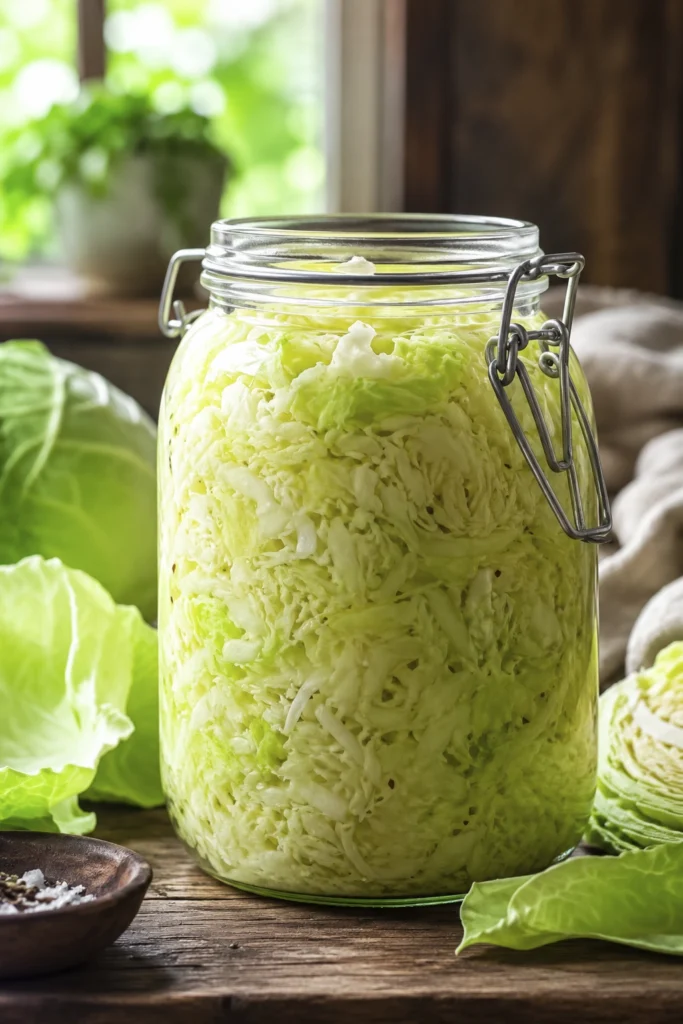
Fermented Cabbage Recipe Storage Tips for Long Lasting Freshness
Once your fermented cabbage recipe reaches the desired flavor, move the container to the refrigerator.
Cold temperatures dramatically slow fermentation.
Storage Guidelines
- Keep the cabbage submerged whenever possible.
- Use clean utensils when serving.
- Store in airtight containers.
- Refrigerate immediately after fermentation.
Properly stored homemade sauerkraut can remain fresh for several months.
In many cases, the flavor continues developing slowly during refrigerated storage.
Fermented Cabbage Recipe Frequently Asked Questions
Yes. Red cabbage fermentation produces a vibrant color and slightly different flavor while following the same process.
Most batches ferment between one and four weeks depending on temperature and personal preference.
Sea salt and non iodized kosher salt are generally preferred.
No. Traditional sauerkraut relies entirely on lactic acid fermentation and does not require vinegar.
The cabbage should smell pleasantly sour, taste tangy, and remain submerged in brine. The exact flavor depends on your personal preference.
Fermented Cabbage Recipe: The Complete Guide to Homemade Sauerkraut for Beginners
- Total Time: 7 days
- Yield: 1 quart 1x
- Diet: Vegan
Description
This fermented cabbage recipe is a simple homemade sauerkraut made with fresh cabbage and salt. It turns crisp cabbage into a tangy, probiotic rich side dish that pairs beautifully with bowls, sandwiches, soups, and hearty meals.
Ingredients
Instructions
1. Remove any damaged outer leaves from the cabbage. Save one clean leaf for later.
2. Cut the cabbage into quarters, remove the core, then slice the cabbage into thin shreds.
3. Place the shredded cabbage in a large bowl and sprinkle with sea salt.
4. Massage the cabbage with clean hands for 5 to 10 minutes, until it softens and releases plenty of liquid.
5. Pack the cabbage tightly into a clean wide mouth jar, pressing down firmly after each handful.
6. Pour any liquid from the bowl into the jar. The cabbage should be covered by its own brine.
7. Place the reserved cabbage leaf on top, then add a fermentation weight to keep everything under the brine.
8. Cover the jar with a fermentation lid or a loose fitting lid.
9. Let the cabbage ferment at room temperature, away from direct sunlight, for 1 to 4 weeks.
10. Taste after 7 days. When it reaches your preferred tangy flavor, seal the jar and move it to the refrigerator.
Notes
Keep the cabbage fully submerged under the brine during fermentation.
Use non iodized salt for best results.
Fermentation is faster in warmer rooms and slower in cooler rooms.
If you see fuzzy colored mold, discard the batch.
Homemade fermented cabbage can last for several months in the refrigerator.
- Prep Time: 20 minutes
- Cook Time: 0 minutes
- Category: Side Dish
- Method: Fermentation
- Cuisine: German Inspired
Nutrition
- Serving Size: 1/4 cup
- Calories: 15
- Sugar: 1g
- Sodium: 290mg
- Fat: 0g
- Saturated Fat: 0g
- Unsaturated Fat: 0g
- Trans Fat: 0g
- Carbohydrates: 3g
- Fiber: 2g
- Protein: 1g
- Cholesterol: 0mg
Conclusion
This fermented cabbage recipe proves that some of the best foods come from the simplest ingredients. With nothing more than cabbage, salt, and patience, you can create traditional homemade sauerkraut packed with flavor and beneficial bacteria.
Whether you call it fermented cabbage, homemade sauerkraut, lacto fermented cabbage, or a probiotic cabbage recipe, the process remains wonderfully straightforward. Once you master your first batch, you will quickly understand why this traditional preservation method has remained popular for centuries.
Start with a single jar, follow the steps carefully, and allow nature to do the work. Before long, you will have crunchy, tangy, naturally fermented cabbage ready to enjoy with everything from hearty comfort foods to fresh everyday meals.
For more delicious recipe ideas, check out our Pinterest page at virlerecipes. Happy cooking!