
There’s something incredibly satisfying about pulling fresh bread from the oven. The warm aroma fills the kitchen, the edges turn lightly golden, and suddenly every meal feels a little more special. The problem is that traditional bread recipes often require yeast, kneading, and hours of waiting. That’s exactly why Almond Flour Flatbread has become a favorite among home cooks looking for a simpler option.
This easy almond flour flatbread recipe delivers everything people want from homemade bread. It is soft enough for wraps, sturdy enough for sandwiches, and versatile enough to serve alongside soups, salads, and main dishes. Even better, it comes together with a handful of ingredients and requires very little effort.
Whether you follow a gluten free lifestyle, prefer grain free recipes, or simply want a healthier bread alternative, this homemade flatbread deserves a spot in your kitchen. Once you see how simple it is to make and how many ways you can use it, you’ll understand why so many people keep this recipe in regular rotation.
Almond Flour Flatbread Is the Perfect Gluten Free Bread Alternative
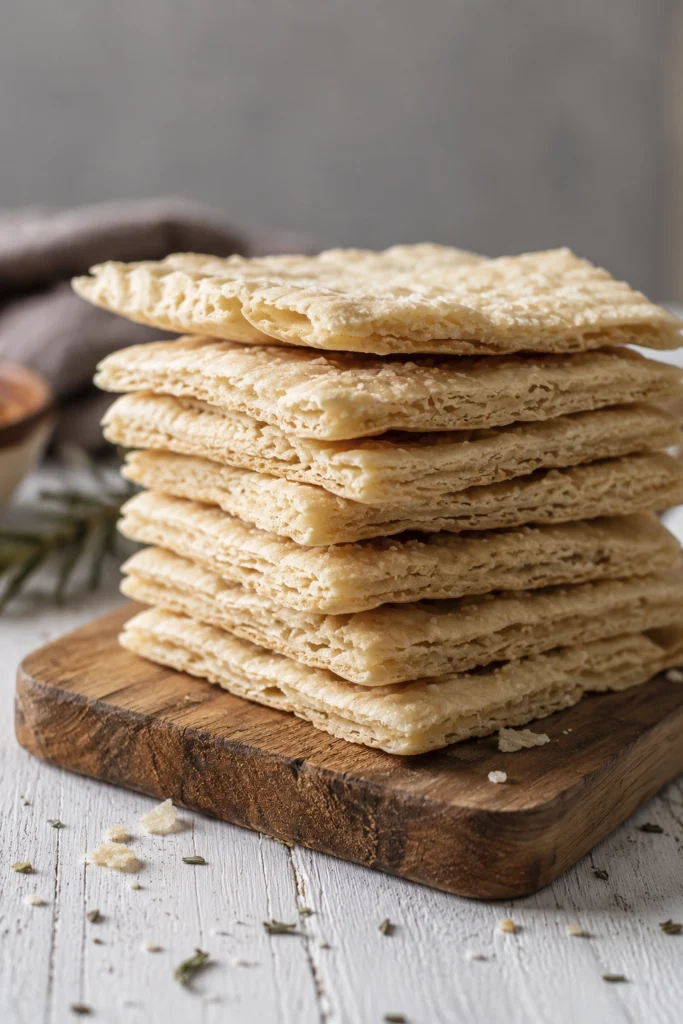
Almond Flour Flatbread offers a refreshing alternative to traditional bread products made with wheat flour. Unlike classic flatbreads that depend on gluten for structure and elasticity, this grain free flatbread relies on almond flour and eggs to create a texture that is both tender and flexible. The result is a bread that feels satisfying while remaining light enough for everyday meals.
One of the biggest reasons this recipe has gained popularity is its ability to fit multiple dietary preferences. People following gluten free, paleo, and low carb eating plans often struggle to find bread substitutes that actually taste good. Many store bought options can be dry, crumbly, or filled with ingredients that are difficult to pronounce. Homemade almond flour bread solves that problem by using simple ingredients that create a fresh, flavorful result.
The naturally mild flavor makes this healthy bread substitute incredibly versatile. It works equally well with savory fillings like grilled chicken and vegetables as it does with sweet toppings such as nut butter and fruit preserves. Instead of making separate breads for different meals, one batch of almond flour flatbread can serve multiple purposes throughout the week.
Almond Flour Flatbread Ingredients That Create the Perfect Texture
The beauty of Almond Flour Flatbread lies in its simplicity. You don’t need a long shopping list or specialty ingredients. Most of the components are easy to find and may already be sitting in your pantry.
Almond flour forms the foundation of the recipe and provides the soft texture that makes this bread so enjoyable. Unlike traditional flour, almond flour contributes healthy fats and protein while keeping the bread naturally gluten free. Eggs play an equally important role by helping bind the ingredients together and giving the flatbread enough flexibility to be folded into wraps without breaking apart. Baking powder introduces a bit of lift, while salt enhances the overall flavor.
The quality of your ingredients can make a noticeable difference. Fine almond flour typically produces a smoother and softer texture than coarse almond meal. If you enjoy experimenting in the kitchen, this recipe also welcomes additional seasonings. Garlic powder, onion powder, Italian herbs, sesame seeds, and fresh parsley can all bring extra flavor without changing the structure of the bread. These simple additions allow you to customize your almond flour dough to match the meal you’re preparing.
Almond Flour Flatbread Step by Step Method for Foolproof Results
Making Almond Flour Flatbread is surprisingly straightforward, even for beginners. Start by preheating your oven to 350°F and lining a baking sheet with parchment paper. In a large bowl, combine almond flour, baking powder, and salt before adding the eggs and water. Stir everything together until a thick batter forms. At first glance, the mixture may seem different from traditional bread dough, but that’s completely normal when working with almond flour.
Once the ingredients are fully incorporated, spread the batter evenly onto the prepared baking sheet. The thickness you choose will influence the final result. A thinner layer creates a flexible wrap style bread, while a slightly thicker layer produces a sturdier flatbread suitable for sandwiches and pizza bases. Try to keep the thickness consistent so the bread bakes evenly.
After about twenty minutes in the oven, the edges should develop a light golden color. This is your signal that the bread is ready. Resist the temptation to slice it immediately. Allowing the flatbread to cool for several minutes helps the structure settle and improves its flexibility. Many first time bakers skip this step and end up with bread that breaks apart too easily. A little patience goes a long way.
Almond Flour Flatbread Benefits for Gluten Free and Low Carb Lifestyles
One reason Almond Flour Flatbread continues to grow in popularity is its impressive nutritional profile. Compared to traditional wheat based breads, almond flour contains fewer carbohydrates and more protein. This combination makes it particularly appealing to those seeking a more balanced approach to eating.
The healthy fats naturally present in almonds also contribute to a feeling of fullness and satisfaction. Instead of experiencing the quick energy spike and crash that often follows refined carbohydrates, many people find almond flour recipes more sustaining. This makes homemade flatbread an excellent choice for breakfast wraps, lunches, or afternoon snacks.
Another advantage is its compatibility with a variety of eating styles. Keto followers appreciate the lower carbohydrate content, while paleo enthusiasts value the grain free ingredients. Individuals avoiding gluten can enjoy a bread alternative that doesn’t sacrifice flavor or texture. Because almond flour flatbread checks so many dietary boxes at once, it’s one of the most versatile recipes you can add to your collection.
Almond Flour Flatbread Tips That Make a Big Difference
While this recipe is simple, a few small details can dramatically improve your results. The first is choosing fine almond flour whenever possible. Finely ground almond flour creates a smoother batter and a softer finished bread. Coarser almond meal can work in a pinch, but the texture will be noticeably denser.
Another important factor is baking time. Almond flour can dry out quickly if left in the oven too long. Keep an eye on the edges and remove the flatbread as soon as it turns lightly golden. Overbaking is one of the most common reasons homemade flatbread becomes brittle instead of flexible.
If your bread feels too dry, consider slightly reducing the baking time during your next batch. If it seems too soft in the center, allow it a few extra minutes. Every oven behaves differently, so small adjustments may be necessary. Once you make the recipe a couple of times, you’ll quickly discover the ideal timing for your kitchen.
Flavor customization is another great way to make this recipe your own. Fresh herbs, spices, and seasoning blends can completely change the character of the bread. One batch can accompany Mediterranean dishes while another complements Mexican inspired meals.
Almond Flour Flatbread Serving Ideas for Breakfast Lunch and Dinner
One of the most appealing qualities of Almond Flour Flatbread is its versatility. It transitions effortlessly from breakfast to dinner and can be adapted to countless flavor combinations.
For breakfast, use the flatbread as the foundation for a hearty wrap filled with scrambled eggs, spinach, and avocado. The soft texture folds easily around fillings while providing a satisfying start to the day. At lunchtime, it becomes an excellent substitute for sandwich bread. Layer grilled chicken, fresh vegetables, and hummus inside for a healthy and filling meal.
Dinner offers even more possibilities. This homemade gluten free flatbread pairs beautifully with soups, roasted vegetables, and grilled meats. It also works surprisingly well as a pizza base when topped with sauce, cheese, and your favorite ingredients. If you’re searching for a healthier alternative to traditional crust, this recipe delivers a delicious solution.
For entertaining, cut the flatbread into smaller pieces and serve alongside dips such as hummus, tzatziki, or baba ganoush. Guests are often surprised to learn that a bread this flavorful contains no wheat flour at all.
Almond Flour Flatbread Storage and Meal Prep Guide
If you enjoy planning meals ahead of time, Almond Flour Flatbread is a fantastic addition to your meal prep routine. Once cooled completely, the bread can be stored in an airtight container in the refrigerator for several days without losing its texture. Having a batch ready to go makes it much easier to assemble quick lunches and snacks throughout the week.
Freezing is another excellent option. Place pieces of parchment paper between individual flatbreads before storing them in a freezer safe container. This prevents sticking and allows you to remove only the amount you need. When you’re ready to eat, simply thaw and warm the bread in a skillet or oven for a few minutes.
Many homemade bread recipes lose quality after freezing, but almond flour flatbread tends to hold up remarkably well. This makes it ideal for busy households where convenience matters just as much as flavor.
Almond Flour Flatbread Pairings You Will Love
The mild, slightly nutty flavor of Almond Flour Flatbread makes it an excellent companion to a wide variety of dishes. It pairs beautifully with hearty soups, fresh salads, grilled chicken, seafood, and roasted vegetables. Because the bread isn’t overpowering, it complements rather than competes with the flavors of your meal.
If you’re looking for complete meal inspiration, try serving your flatbread alongside a comforting bowl of Orzo and Shrimp. The rich flavors of the shrimp and the tender pasta create a satisfying combination that works perfectly with warm homemade bread.
For something sweet, spread a spoonful of homemade Rhubarb Sauce over a warm slice of flatbread. The balance of tart and sweet flavors creates an unexpectedly delicious snack.
And if you’re planning a full family meal, finish with a slice of Strawberry Icebox. Together, these recipes create a menu that feels both comforting and memorable.
Almond Flour Flatbread Frequently Asked Questions
Absolutely. This flatbread freezes very well, making it ideal for meal prep. Once completely cooled, store the pieces in a freezer safe container with parchment paper between each layer. Properly stored, it can stay fresh for up to three months. When you’re ready to enjoy it, simply reheat it in a skillet or oven for a few minutes until warm.
Yes, Almond Flour Flatbread can easily replace traditional bread in many everyday meals. Its soft texture and flexibility make it a great option for wraps, sandwiches, tacos, and even homemade pizza crusts. Unlike many gluten free bread alternatives that tend to crumble, this flatbread holds together well and adapts to a wide range of recipes.
Yes, almond meal can be used if almond flour is unavailable. However, the final texture will be slightly denser and less smooth because almond meal contains larger particles and often includes the almond skins. For the softest, most flexible, and most consistent results, fine almond flour is the better choice.
A crumbly texture is usually caused by overbaking, using coarse almond meal, or slicing the flatbread before it has cooled properly. To keep your flatbread soft and flexible, use fine almond flour, monitor the baking time closely, and allow it to cool for several minutes before cutting or folding. This helps the structure set and improves the overall texture.

Almond Flour Flatbread: The Easy Homemade Bread That Fits Almost Any Diet
Description
This easy Almond Flour Flatbread is soft, flexible, and perfect for wraps, sandwiches, pizzas, or serving alongside your favorite meals. Made with simple gluten free ingredients, it’s a healthy bread alternative that comes together quickly with minimal effort.
Ingredients
- 2 cups fine almond flour
- 2 large eggs
- 1 teaspoon baking powder
- 1/2 teaspoon salt
- 2 tablespoons water
- 1/2 teaspoon garlic powder (optional)
- 1/2 teaspoon dried herbs (optional)
Instructions
- Preheat the oven to 350°F and line a baking sheet with parchment paper.
- In a large bowl, combine the almond flour, baking powder, salt, and any optional seasonings.
- Add the eggs and water.
- Mix until a thick batter forms and all ingredients are fully incorporated.
- Spread the batter evenly onto the prepared baking sheet, creating your desired thickness.
- Bake for about 20 minutes or until the edges are lightly golden.
- Remove from the oven and allow the flatbread to cool for several minutes.
- Slice and serve as wraps, sandwiches, flatbread pizza, or alongside your favorite meals.
Notes
Use fine almond flour for the softest texture. Avoid overbaking, as almond flour can dry out quickly. Allow the flatbread to cool before slicing to help it maintain flexibility and structure. Customize with herbs, garlic powder, sesame seeds, or your favorite seasonings.
Almond Flour Flatbread Deserves a Place in Your Weekly Meal Plan
Almond Flour Flatbread proves that homemade bread doesn’t need to be complicated. With a handful of ingredients, minimal preparation, and a short baking time, this recipe delivers a delicious bread alternative that fits effortlessly into modern lifestyles.
Whether you’re searching for a gluten free flatbread, a low carb bread option, or simply a fresh homemade recipe to add to your routine, this versatile bread checks every box. It’s easy enough for beginners, adaptable enough for experienced cooks, and flavorful enough to satisfy the whole family.
Once you start making almond flour flatbread, you’ll discover countless ways to enjoy it. From breakfast wraps and lunch sandwiches to dinner sides and healthy snacks, this simple recipe has a way of becoming a regular favorite in the kitchen.
For more delicious recipe ideas, check out our Pinterest page at virlerecipes. Happy cooking!