
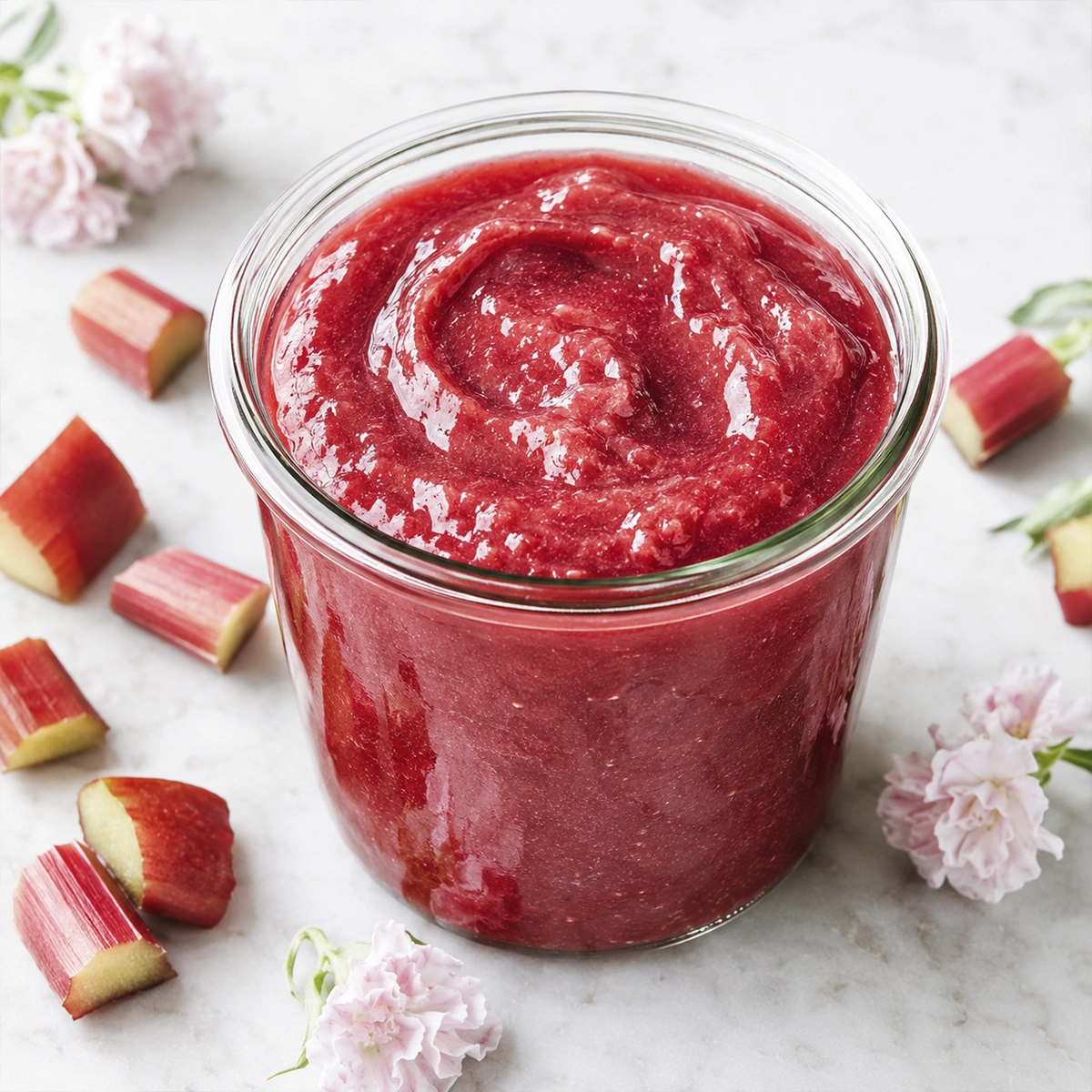
Rhubarb Sauce is one of those simple recipes that surprises people with how much flavor it delivers from just a handful of ingredients. With its vibrant color, naturally tart taste, and smooth texture, this homemade fruit sauce can instantly brighten breakfast, dessert, and even snack time.
If you’ve never made Rhubarb Sauce before, you’re in for a treat. Rhubarb has a bold tanginess that becomes beautifully balanced when gently cooked with sugar and a few flavor enhancing ingredients. The result is a silky sauce that tastes fresh, fruity, and slightly citrusy.
One of the best things about homemade Rhubarb Sauce is its versatility. Spoon it over pancakes, swirl it into yogurt, drizzle it on cheesecake, or serve it alongside ice cream. It adds a pop of flavor wherever it goes.
In this guide, you’ll learn everything you need to know about making the perfect Rhubarb Sauce, including ingredients, step by step instructions, storage tips, serving ideas, and expert techniques for getting the best flavor every time.
Rhubarb Sauce: What Is It and Why Is It So Popular?
This homemade fruit topping is made by simmering chopped rhubarb with sugar until the stalks soften and break down into a smooth or slightly chunky consistency.
Although rhubarb is technically a vegetable, it is most often used in sweet recipes because of its tart, fruit-like flavor. Homemade rhubarb compote has become a favorite spring and early summer recipe because it showcases the fresh taste of seasonal produce while requiring very little effort.
Many people use the terms rhubarb puree, rhubarb topping, fruit compote, and homemade rhubarb sauce interchangeably. While there are slight differences in texture, they serve similar purposes and work well in a variety of dishes.
The appeal of this sweet and tangy topping comes from its perfect balance of flavors. Unlike many fruit sauces that can become overly sweet, it retains the bright acidity that makes rhubarb so distinctive. The result is a versatile condiment that pairs beautifully with breakfast foods, desserts, and even savory dishes.
Rhubarb Sauce: Ingredients You Need
Making Rhubarb Sauce requires only a few pantry staples and fresh rhubarb stalks.
Ingredients
- 4 cups fresh rhubarb, chopped
- ¾ cup granulated sugar
- 1 tablespoon orange peel strips
- 1 teaspoon vanilla bean paste or vanilla extract
- ¼ teaspoon sea salt
Every ingredient plays an important role.
The rhubarb provides the signature tart flavor.
Sugar balances the acidity and helps create a smooth consistency.
Orange peel adds subtle citrus notes that naturally complement rhubarb.
Vanilla brings warmth and depth.
Sea salt enhances all the flavors without making the sauce taste salty.
If you prefer a slightly different flavor profile, you can also use maple syrup, honey, lemon zest, or fresh ginger.
Rhubarb Sauce: How to Make It Step by Step
This Rhubarb Sauce recipe is incredibly easy and suitable for beginner cooks.
Step 1: Prepare the Rhubarb
Wash the rhubarb stalks thoroughly under cool water.
Remove and discard any leaves, as rhubarb leaves are toxic and should never be eaten.
Trim the ends and cut the stalks into small pieces.
Fortunately, there is no need to peel rhubarb. The skin softens during cooking and contributes to the beautiful pink color of the finished sauce.
Step 2: Macerate the Rhubarb
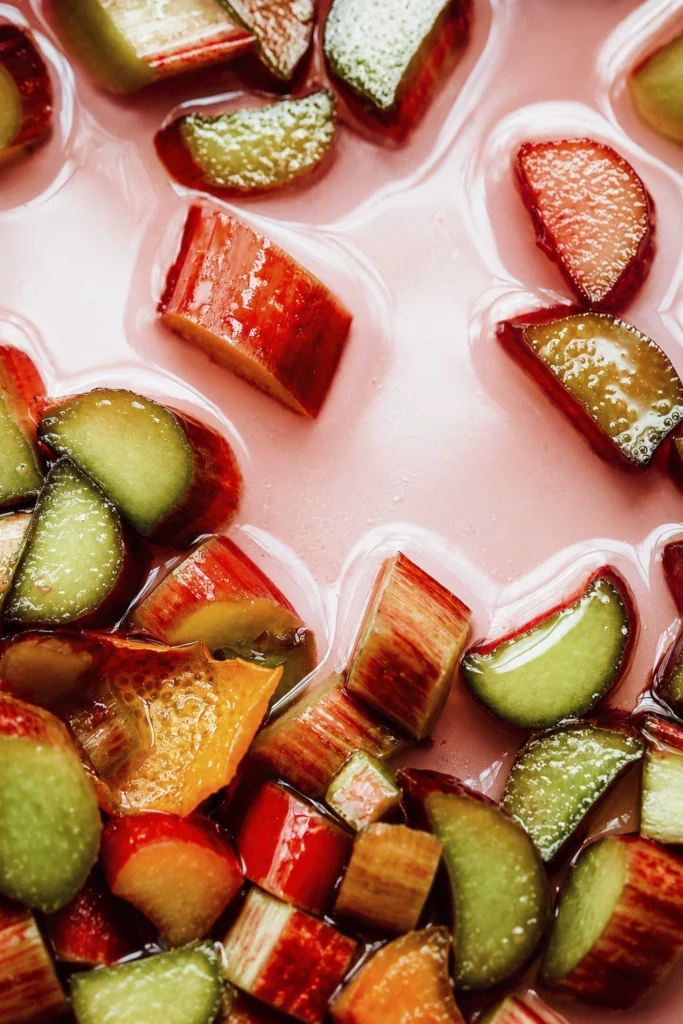
Place the chopped rhubarb in a large bowl.
Add sugar, sea salt, and orange peel.
Mix well until evenly coated.
Allow the mixture to rest for about 30 minutes.
During this time, the sugar draws natural moisture from the rhubarb. This process creates a flavorful liquid that helps cook the fruit without adding water.
This simple step makes a significant difference in the final flavor of the Rhubarb Sauce.
Step 3: Cook the Mixture
Transfer the rhubarb and all accumulated juices into a saucepan.
Cook over medium heat for approximately 10 minutes.
Stir occasionally to prevent sticking.
As the rhubarb softens, it will begin to break apart naturally.
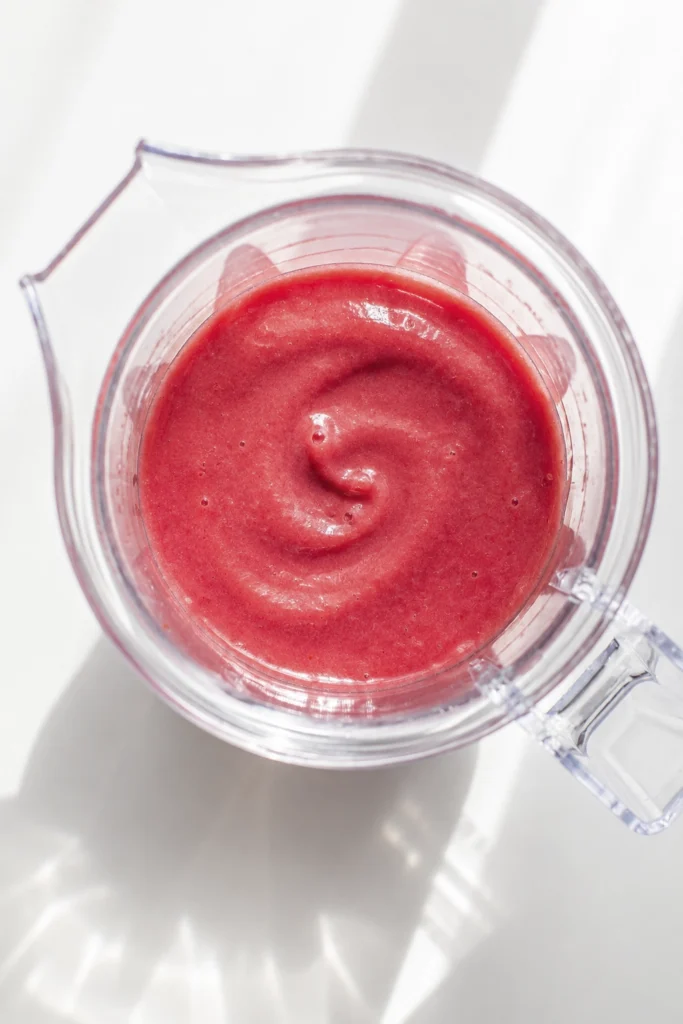
Step 4: Blend Until Smooth
Remove the orange peel pieces.
Allow the mixture to cool slightly.
Blend using an immersion blender or standard blender until smooth.
If you prefer a rustic rhubarb compote texture, you can leave some chunks intact.
Rhubarb Sauce: Flavor Profile and Texture
Rhubarb Sauce has a flavor unlike any other fruit topping.
The first thing you’ll notice is the bright tartness. Rhubarb naturally contains a pleasant acidity that gives the sauce its refreshing character.
The sugar softens that tartness without completely masking it.
The orange peel introduces subtle citrus aromas, while vanilla contributes gentle sweetness and warmth.
The texture can vary depending on your preference.
A blended Rhubarb Sauce becomes silky smooth and ideal for drizzling.
A chunkier version works wonderfully as a topping for oatmeal, yogurt, and baked goods.
Rhubarb Sauce: Best Ways to Serve It
One reason Rhubarb Sauce remains so popular is its incredible versatility.
Breakfast Favorites
Serve Rhubarb Sauce over:
- Pancakes
- Waffles
- French toast
- Oatmeal
- Greek yogurt
- Overnight oats
The sweet tart flavor instantly transforms an ordinary breakfast into something special.
Dessert Pairings
Rhubarb topping works beautifully with desserts.
Try it on:
- Vanilla ice cream
- Cheesecake
- Pound cake
- Angel food cake
- Rice pudding
- Custards
If you enjoy fruity desserts, you may also love the Strawberry Dole Whip Recipe, which offers another refreshing way to enjoy bright fruit flavors.
Savory Applications
Many people overlook the savory side of Rhubarb Sauce.
Its acidity makes it an excellent accompaniment to rich foods.
Serve it alongside appetizers such as Smoked salmon cucumber bites for a delicious contrast of flavors.
You can also pair Rhubarb Sauce with charcuterie boards featuring Mozzarella Wrapped with Prosciutto, where the sweet tart notes balance the saltiness of cured meats.
Rhubarb Sauce: Expert Tips for the Best Results
Making excellent Rhubarb Sauce is simple, but a few professional tips can take it to the next level.
Use Fresh Seasonal Rhubarb
Fresh rhubarb harvested during spring and early summer provides the best flavor and color.
Look for firm stalks with vibrant red or pink coloring.
Avoid Adding Water
Many recipes include water, but allowing the rhubarb to macerate first creates enough natural liquid.
This results in a richer, more concentrated fruit sauce.
Balance Sweetness Carefully
Different rhubarb varieties vary in tartness.
Taste the sauce during cooking and adjust the sugar if necessary.
Add Flavor Enhancers
Orange peel, lemon zest, ginger, and vanilla all pair exceptionally well with rhubarb.
Experimenting with these additions can create unique variations of homemade Rhubarb Sauce.
Rhubarb Sauce: Delicious Variations to Try
Once you’ve mastered the classic version, consider trying these creative variations.
Strawberry Rhubarb Sauce
Strawberries are perhaps the most famous rhubarb companion.
Their sweetness helps soften rhubarb’s natural acidity while adding a vibrant berry flavor.
Ginger Rhubarb Sauce
Fresh grated ginger introduces warmth and subtle spice.
This variation works especially well with pancakes and waffles.
Maple Rhubarb Sauce
Replace some of the sugar with pure maple syrup.
The result is a deeper, richer flavor profile.
Citrus Rhubarb Sauce
Combine orange zest and lemon zest for an even brighter fruit sauce.
This version pairs beautifully with cheesecake and vanilla desserts.
Rhubarb Sauce: Storage and Freezing Guide
One of the greatest advantages of Rhubarb Sauce is how well it stores.
Refrigerator Storage
Allow the sauce to cool completely before transferring it to an airtight container.
Store in the refrigerator for up to one week.
Freezer Storage
Rhubarb Sauce freezes exceptionally well.
Pour cooled sauce into freezer safe containers or jars.
Leave about one inch of headspace to allow for expansion during freezing.
Properly stored frozen Rhubarb Sauce can maintain excellent quality for four to five months.
This makes it easy to enjoy the flavors of rhubarb long after the growing season ends.
Rhubarb Sauce: Common Mistakes to Avoid
Even a simple recipe can benefit from avoiding a few common mistakes.
Using Rhubarb Leaves
Never consume rhubarb leaves.
Only the stalks are edible.
Skipping the Resting Period
Allowing rhubarb to sit with sugar helps develop flavor and create natural cooking liquid.
Skipping this step can result in a less flavorful sauce.
Overcooking the Sauce
Rhubarb softens quickly.
Extended cooking can dull its bright flavor and color.
Adding Too Much Sugar
The beauty of Rhubarb Sauce comes from its balance of sweet and tart flavors.
Adding excessive sugar can overwhelm the rhubarb’s natural character.
Rhubarb Sauce: Frequently Asked Questions
No. Rhubarb stalks do not require peeling. The skin softens during cooking and contributes color to the sauce.
Yes. Frozen rhubarb works very well for Rhubarb. Simply thaw and drain excess liquid if necessary before cooking.
Yes. Honey, maple syrup, or other sweeteners can be substituted based on personal preference.
Stored properly in the refrigerator, Rhubarbremains fresh for about one week. Frozen sauce can last several months.
Rhubarb Sauce
- Total Time: 45 minutes
- Yield: 8 servings 1x
- Diet: Vegetarian
Description
This homemade Rhubarb Sauce is sweet, tangy, and incredibly versatile. Made with fresh rhubarb, sugar, orange peel, vanilla, and a touch of sea salt, it creates a silky fruit sauce that is perfect for pancakes, yogurt, cheesecake, ice cream, and more.
Ingredients
- 4 cups fresh rhubarb, chopped
- 3/4 cup granulated sugar
- 1 tablespoon orange peel strips
- 1 teaspoon vanilla bean paste or vanilla extract
- 1/4 teaspoon sea salt
Instructions
- Wash the rhubarb thoroughly and discard any leaves.
- Trim the ends and chop the rhubarb into small pieces.
- Place the chopped rhubarb in a large bowl.
- Add the sugar, sea salt, and orange peel strips.
- Stir until evenly coated.
- Let the mixture rest for 30 minutes to release its natural juices.
- Transfer the rhubarb mixture and all accumulated liquid to a saucepan.
- Cook over medium heat for about 10 minutes, stirring occasionally.
- Add the vanilla bean paste or vanilla extract.
- Remove the orange peel strips.
- Allow the mixture to cool slightly.
- Blend until smooth using an immersion blender or standard blender.
- Serve warm or chilled.
Notes
Fresh rhubarb provides the best flavor and color, but frozen rhubarb can also be used. Store cooled sauce in an airtight container in the refrigerator for up to 1 week or freeze for up to 5 months. Adjust sweetness to taste depending on the tartness of your rhubarb.
- Prep Time: 35 minutes
- Cook Time: 10 minutes
- Category: Sauce
- Method: Stovetop
- Cuisine: American
Nutrition
- Serving Size: 2 tablespoons
- Calories: 55
- Sugar: 12g
- Sodium: 35mg
- Fat: 0g
- Saturated Fat: 0g
- Unsaturated Fat: 0g
- Trans Fat: 0g
- Carbohydrates: 14g
- Fiber: 1g
- Protein: 0g
- Cholesterol: 0mg
Rhubarb Sauce: Final Thoughts
Rhubarb Sauce is one of the easiest and most rewarding recipes you can make during rhubarb season. With its bright color, sweet tart flavor, and endless serving possibilities, it deserves a place in every home cook’s collection.
Whether you use it as a breakfast topping, dessert sauce, fruit compote, or accompaniment to savory dishes, homemade Sauce delivers fresh flavor with minimal effort.
Once you taste a spoonful of this silky, vibrant Rhubarb Sauce, you’ll understand why it has remained a beloved seasonal favorite for generations.
For more delicious recipe ideas, check out our Pinterest page at virlerecipes. Happy cooking!