
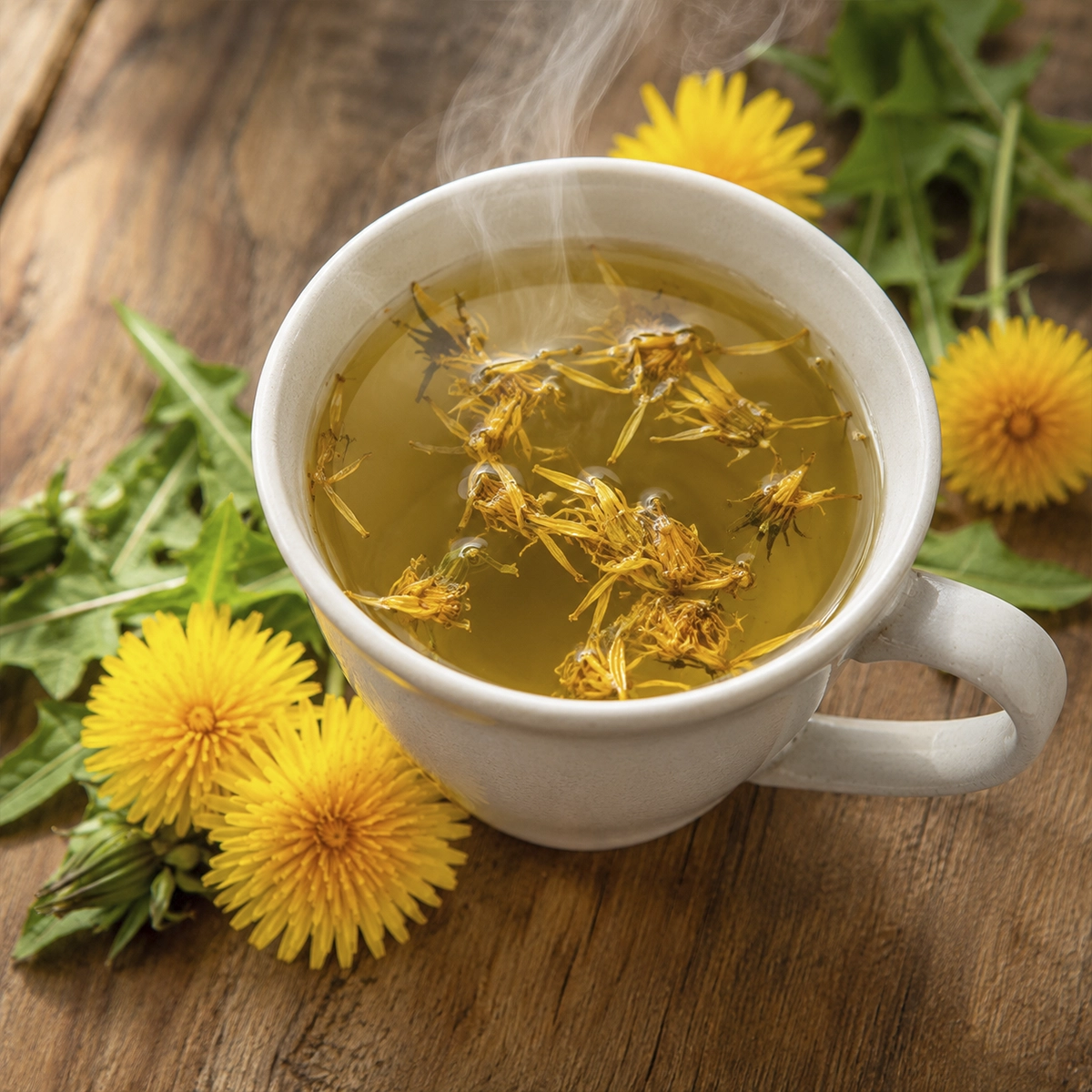
Dandelion Tea has been enjoyed for generations as a soothing herbal beverage made from one of nature’s most recognizable plants. While many people see dandelions as common backyard weeds, these bright yellow flowers have a long history in traditional herbal practices and home kitchens around the world.
What makes Dandelion Tea so appealing is its simplicity. You can make it using fresh dandelion flowers, dried petals, or roasted dandelion roots. The result is a caffeine free tea with a gentle flavor, natural nutrients, and a comforting warmth that fits perfectly into a healthy lifestyle.
Whether you are interested in herbal wellness, foraging edible plants, or simply trying a new homemade drink, this guide will show you everything you need to know about Dandelion Tea. From its benefits and flavor profile to step by step instructions and serving ideas, you’ll discover why this herbal infusion continues to grow in popularity.
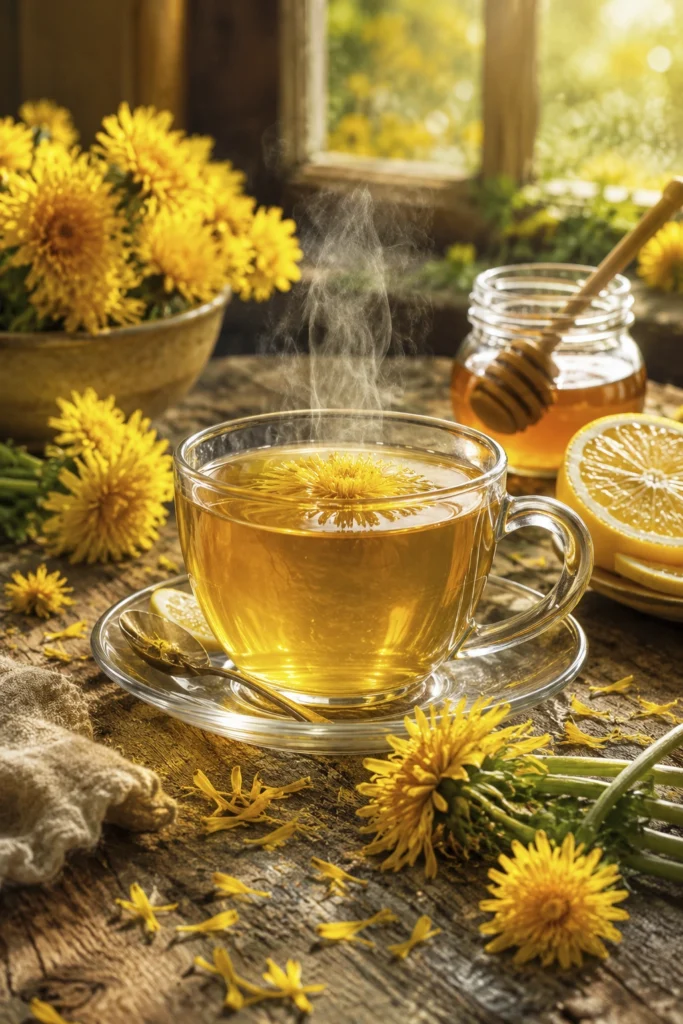
Dandelion Tea Is More Than Just a Backyard Weed
Dandelion Tea comes from the tea plant, scientifically known as Taraxacum officinale. Nearly every part of the plant can be used, including the flowers, leaves, and roots.
For centuries, dandelions have been valued in traditional herbal practices throughout Europe, Asia, and North America. Today, herbal tea lovers appreciate dandelion flower tea and dandelion root tea as natural alternatives to conventional beverages.
One of the biggest reasons people enjoy homemade Tea is that it is naturally caffeine free. Unlike coffee, black tea, or energy drinks, it can be enjoyed any time of day without affecting sleep.
Fresh dandelion tea made from petals offers a light floral flavor, while roasted root tea creates a deeper, richer taste that many people compare to coffee.
The versatility of this herbal beverage makes it suitable for beginners and experienced herbal enthusiasts alike.
Dandelion Tea Benefits That Make It Popular
Dandelion Tea has become a favorite herbal wellness drink because it contains a variety of naturally occurring nutrients and plant compounds.
The dandelion plant contains vitamins A, C, E, and K, along with several B vitamins. It also provides minerals such as calcium, magnesium, potassium, and iron.
Many people choose herbal dandelion tea because it contains antioxidants. These natural compounds help protect cells from oxidative stress and are one reason dandelions have attracted attention from researchers and herbal practitioners.
Dandelion root contains inulin, a type of prebiotic fiber. Prebiotics help feed beneficial bacteria in the digestive system, making root tea a popular choice among those interested in gut health.
Some traditional uses of Dandelion Tea include:
- Supporting healthy digestion
- Promoting hydration
- Providing a caffeine free beverage option
- Supporting overall wellness routines
- Offering a natural herbal infusion rich in plant compounds
Although many people drink Tea for wellness purposes, it should not be considered a medical treatment. Anyone with health concerns should consult a healthcare professional before making significant dietary changes.
Dandelion Tea Flavor and What It Tastes Like
One question people often ask is, “What does Dandelion Tea taste like?”
The answer depends on which part of the plant is used.
Fresh dandelion flower tea has a delicate flavor with subtle floral notes and a mild sweetness. Many first time drinkers are surprised by how pleasant and light it tastes.
Dandelion leaf tea tends to be more earthy and slightly bitter.
Roasted dandelion root tea develops a rich, nutty flavor with roasted notes that resemble coffee. Because of this, roasted root tea is often used as a coffee substitute by those seeking a caffeine free alternative.
If you prefer sweeter herbal drinks, adding honey can create a more balanced flavor. Lemon is another popular addition because it brightens the tea and complements the floral notes.
Dandelion Tea Ingredients You Need
Making homemade Dandelion Tea requires only a few simple ingredients.
Ingredients
- ½ cup fresh dandelion petals
- 2 cups boiling water
- 1 teaspoon honey, optional
- Lemon slices, optional
Equipment
- Fine mesh strainer
- Heat safe bowl or measuring cup
- Kettle
- Tea cups or mugs
The most important ingredient is the dandelion itself. Always choose organic dandelions or flowers harvested from untreated areas free of pesticides, herbicides, and roadside pollution.
Using clean, fresh flowers is the key to creating the best Tea recipe.
Dandelion Tea Recipe Step by Step
Making Dandelion Tea at home is surprisingly easy.
Step 1: Harvest the Flowers
Gather approximately 25 fresh dandelion flowers from a clean area.
Choose flowers that are fully open and vibrant yellow.
Step 2: Wash Thoroughly
Rinse the flowers under cool running water to remove dirt, dust, and small insects.
Pat them dry with a clean kitchen towel.
Step 3: Remove the Petals
Carefully separate the yellow petals from the green base of each flower.
The green portions can create bitterness, so using mostly petals results in a smoother flavor.
Step 4: Add Boiling Water
Place the petals into a heat safe bowl or measuring cup.
Pour two cups of boiling water directly over the petals.
Step 5: Steep
Cover the container and allow the petals to steep for 20 to 30 minutes.
A longer steeping time produces a stronger herbal infusion.
Step 6: Strain
Pour the tea through a fine mesh strainer into mugs.
Discard the petals.
Step 7: Serve
Enjoy warm as is, or add honey and lemon according to your preference.
This simple recipe creates a light, refreshing herbal drink that highlights the natural flavor of fresh dandelion flowers.
Dandelion Tea Variations Worth Trying
One of the best things about Tea is how easy it is to customize.
Dandelion Tea with Honey
A spoonful of honey adds natural sweetness and creates a comforting beverage.
Dandelion Tea with Lemon
Fresh lemon juice brightens the flavor and adds a refreshing citrus note.
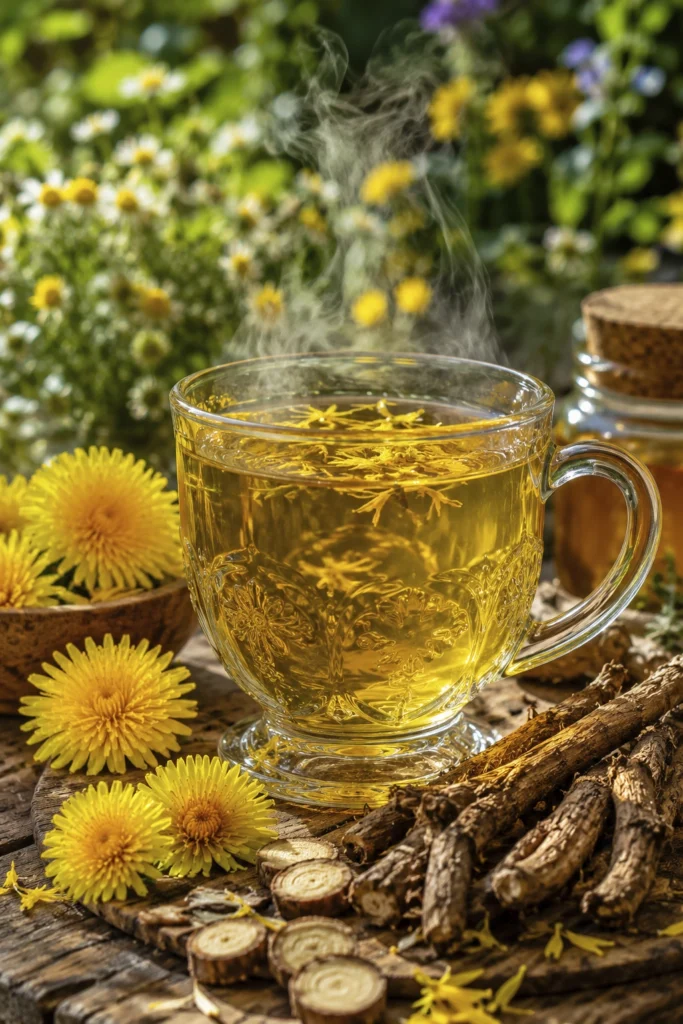
Roasted Dandelion Root Tea
Roast cleaned dandelion roots until golden brown and fragrant.
Steep the roasted roots in hot water for a deeper, coffee like flavor.
Herbal Tea Blend
Combine dandelion petals with herbs such as:
- Mint
- Chamomile
- Lemon balm
- Ginger
- Lavender
These additions create unique flavor combinations while maintaining the tea’s natural appeal.
Dandelion Tea Safety Tips and Foraging Advice
When making Dandelion Tea from wild plants, proper harvesting is essential.
Always avoid gathering dandelions from:
- Roadsides
- Public parks treated with chemicals
- Golf courses
- Industrial areas
- Lawns sprayed with herbicides
Choose flowers from trusted organic gardens or untreated natural spaces.
Some people may be allergic to dandelions or related plants from the daisy family. If you are trying Dandelion Tea for the first time, start with a small amount.
Individuals who are pregnant, breastfeeding, or taking medications should speak with a healthcare provider before regularly consuming herbal teas.
Following these precautions helps make Dandelion Tea a safe and enjoyable experience.
Dandelion Tea Serving Ideas for Every Season
Dandelion Tea can be enjoyed throughout the year.
During spring and summer, serve it warm in the morning or chilled over ice in the afternoon.
During autumn and winter, pair it with comforting homemade recipes for a cozy experience.
For a complete homemade meal, enjoy a cup of Dandelion Tea alongside this delicious Turkish Pasta Recipe. The rich flavors of the pasta pair beautifully with the light herbal notes of the tea.
If you’re preparing snacks or appetizers for guests, these flavorful Baked Beef Empanadas Baked Beef Empanadas</a> make a wonderful accompaniment.
Looking for dessert? Finish your meal with a refreshing Strawberry Icebox. The sweet strawberry flavor creates a pleasant contrast to the earthy character of Dandelion Tea.
These pairings help transform a simple herbal drink into part of a complete dining experience.
Dandelion Tea Frequently Asked Questions
Yes. Tea contains no caffeine, making it a popular alternative to coffee and traditional tea.
Many people enjoy Tea daily as part of their routine. Moderation is always recommended, especially if you have existing medical conditions.
Yes. Dandelion leaves can be brewed into tea, although they tend to produce a stronger and slightly more bitter flavor.
Dandelion flower tea is lighter and floral, while root tea is richer, earthier, and often compared to coffee.
Absolutely. Simply allow the tea to cool, then pour it over ice for a refreshing herbal drink.
Dandelion Tea
- Total Time: 40 minutes
- Yield: 2 servings 1x
- Diet: Vegetarian
Description
A soothing homemade Dandelion Tea made with fresh dandelion petals, naturally caffeine free with delicate floral notes and optional honey and lemon for added flavor.
Ingredients
- 1/2 cup fresh dandelion petals
- 2 cups boiling water
- 1 teaspoon honey (optional)
- Lemon slices (optional)
Instructions
- Gather approximately 25 fresh dandelion flowers from a clean, untreated area.
- Rinse the flowers thoroughly under cool running water and pat dry.
- Carefully separate the yellow petals from the green base.
- Place the petals into a heat-safe bowl or measuring cup.
- Pour 2 cups of boiling water over the petals.
- Cover and steep for 20 to 30 minutes.
- Strain the tea through a fine mesh strainer into mugs.
- Discard the petals.
- Serve warm, adding honey and lemon if desired.
Notes
Use only dandelions harvested from untreated areas free of pesticides and roadside pollution. Start with a small amount if trying dandelion tea for the first time.
- Prep Time: 10 minutes
- Cook Time: 30 minutes
- Category: Beverages
- Method: Steeping
- Cuisine: Herbal
Nutrition
- Serving Size: 1 cup
- Calories: 5
- Sugar: 0g
- Sodium: 5mg
- Fat: 0g
- Saturated Fat: 0g
- Unsaturated Fat: 0g
- Trans Fat: 0g
- Carbohydrates: 1g
- Fiber: 0g
- Protein: 0g
- Cholesterol: 0mg
Dandelion Tea Is a Simple Herbal Tradition Worth Trying
Dandelion Tea is proof that some of the best ingredients are often hiding in plain sight. This humble herbal infusion offers a pleasant flavor, a naturally caffeine free profile, and a connection to traditional plant based wellness practices.
Whether you choose fresh dandelion flower tea, roasted dandelion root tea, or your own custom herbal blend, this homemade beverage is easy to prepare and enjoyable throughout the year.
With its gentle taste, versatility, and long history,Tea deserves a place among the most beloved homemade herbal drinks. The next time you spot a patch of bright yellow dandelions growing in a safe, untreated area, you might just be looking at the ingredients for your next favorite cup of tea.
For more delicious recipe ideas, check out our Pinterest page at virlerecipes. Happy cooking!